

Council airs fears over cost of enforcing dilapidation law
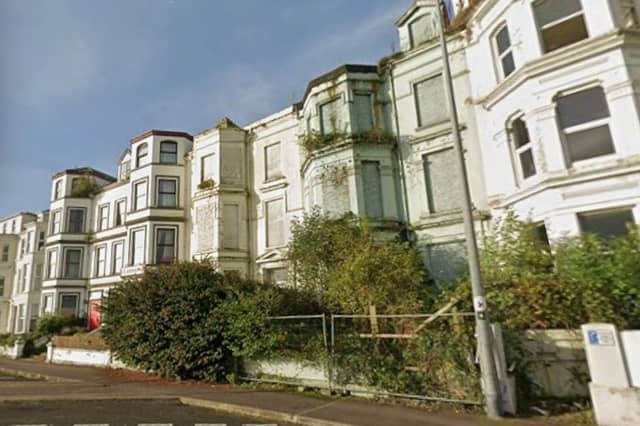

Committee hears measures are required to prevent rate-payers from being left with the bill
Causeway Coast and Glens Council has expressed concern over the potential cost to rate-payers of enforcing new laws on run-down and unsightly buildings.
Stormont’s Dilapidation Bill gives councils powers to compel owners, occupants and others with a relevant interest to fix up the property or otherwise allow the council to take such action itself and present a bill later.
The legislation passed the Assembly in September but is now the subject of Regulatory Impact Assessment conducted by the Department for Agriculture, Environment and Rural Affairs (DAERA).
On Tuesday members of CCGBC’s Environmental Services Committee will hear it will “strengthen the powers available to district councils to address neglected, dilapidated and dangerous buildings and sites, thereby enhancing public safety, improving the local environment and reducing the impact of dereliction on local communities”.
However, members will also hear of concerns already aired by officers over the absence of central government funding to support the extra workload.
“While the Act provides powers to undertake works in default and recover costs from property owners, councils remain exposed to the financial risks associated with enforcement,” states a committee report.
“Where recovery action is pursued through the courts, the process can be lengthy, resource-intensive and costly, with no guarantee of full cost recovery ”.
In addition, officers say: “The Council may incur significant costs in assessing potentially dangerous structures, including expenditure associated with structural engineering surveys, specialist inspections and ongoing monitoring.
The Department’s answer is the introduction of “prescribed fees”.
The proposed fee-charging framework would provide a means of recovering these costs from property owners, helping to minimise the financial burden on the Council and local ratepayers.
Councillors will be asked to endorse the latest proposals when the committee meets on Tuesday.
“It will support a more consistent approach to enforcement across councils, reduce the financial burden on local authorities and reinforce the principle that those responsible for creating the need for intervention should contribute towards the costs incurred.”
The Committee report concludes: “In summary, the Council supports the introduction of the Dangerous Structures (Fees) Regulations in principle and agrees that reasonable costs should be borne by those with an interest in the property rather than by ratepayers.
“However, concerns remain regarding the proposed cost recovery model, which would require councils to meet investigation and administration costs in advance while assuming the associated financial risks.
“The Council therefore considers that the final framework should provide greater certainty around cost recovery, adequately reflect the full costs of implementation and administration, and recognise the additional challenges associated with service delivery in rural areas”.
When the Dilapidation Bill passed the Assembly last month, Environment Minster Andrew Muir said: “People in Northern Ireland deserve to have pride in their local area and to see their high streets thriving with shops, restaurants and a variety of businesses, instead of being blighted by run-down buildings and dilapidation.
“With the passing of this Bill, we are marking a potentially transformative moment for our neighbourhoods as we enhance the ability of Councils to tackle dilapidation wherever it occurs. It is now up to Councils to drive change in their communities and utilise these powers on the ground.
“I am extremely proud of this legislation and look forward to it playing a role in supporting our local economy delivering more vibrant neighbourhoods.”