

House prices up 12.5%, survey reports
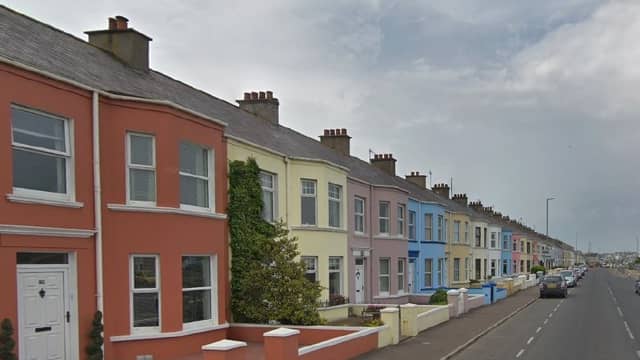

THE value of the average home in Causeway Coast and Glens rose 12.5 per cent in the first three months of the 2022, according to the latest survey. Figures from Ulster University's Quarterly House Price Index show an increase from £178, 233 at the end of December to £200,467 in March.
THE value of the average home in Causeway Coast and Glens rose 12.5 per cent in the first three months of the 2022, according to the latest survey.
Figures from Ulster University's Quarterly House Price Index show an increase from £178, 233 at the end of December to £200,467 in March.
Sales are expected to rise over the next three months while prices are continuing to increase amid high demand, according to the report.
But there are warnings of future troubles due to cost-of-living fears and increased materials costs slowing down new builds.
The lack of supply in some parts of the market is “acute”.
Surveyors are still reporting that they expect sales to continue to rise, the Royal Institution of Chartered Surveyors (RICS) and Ulster Bank said in their residential market survey.
A net balance of plus-25% of respondents expect sales to rise in the May to July period, a more upbeat tone compared to last month, when the figure was just 6%.
The net balance is the difference between those predicting an increase and those saying they would drop.
RISE IN PRICES
House prices are continuing to rise as demand grows despite rising inflation and living costs, according to the latest research from Ulster University.
The university's Quarterly House Price Index shows a price growth of 2.3% for the first quarter of 2022, with an annual increase at 9.7%. The overall average price of residential property now stands at £202,325.
Lead researcher Dr Michael McCord, reader in real estate valuation at the university, warned the rising prices have “not only been driven by continued demand and sales completions, but as a consequence of the ever-increasing supply crunch”.
This has emerged over the past four quarters, distorting normal market operations, Dr McCord said.
The lack of quality stock, particularly detached family homes within the mid-range (£200,000-£300,000) pricing bracket, is an “acute problem”, the research found. Prices of detached homes dropped by 1.7% from the previous quarter despite the lack of supply.
“The heightened costs of materials are beginning to have an impact on development phases being released which is further squeezing the supply side of the market,” the academic said.
“Equally, the current inflationary pressures and emergent cost-of-living crisis are also evident in the market. While these are not curtailing current market sentiment or indeed appetite, they may start to have an impact upon future demand over the next few quarters and translate into house prices tapering off.”
ISSUES
The RICS/Ulster Bank also warned “the prevailing issues between demand and supply have continued into the second quarter of the year”.
While there is an increase in the number of people looking to buy, there is a decrease in the number of properties coming onto the market, they added.
Samuel Dickey, RICS Northern Ireland residential property spokesman, said: “It's encouraging to see that surveyors are expecting an increase in sales over the next number of months albeit we are still experiencing an imbalance between demand and supply.
“The lack of stock has been apparent for many months and as such we're seeing this drive prices up across all categories, with expectations this will continue in the next three months.
“The expectation that sales will rise over the next quarter could be an indication that more stock may be expected to come onto the market.”
The Quarterly House Price Index, produced by Ulster University in partnership with the NIHE and Progressive Building Society, also warned about material costs.
“The escalation in raw material pricing over the last 12 months and continued uncertainty on future movements in material pricing make it difficult to price future work and this, allied with skilled labour shortages, has caused a dramatic slowdown in the pace of new builds being released to the market,” the report found.