

Council debt down by a third
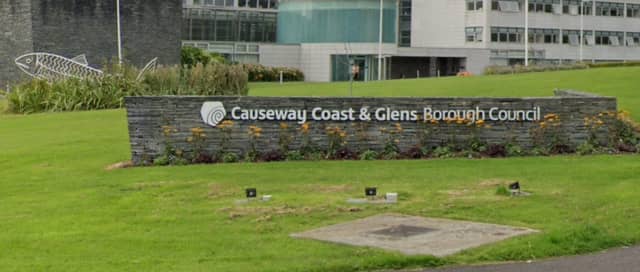

Sound financial management of inherited debt contradicts skewed media reporting, says Mayor
CAUSEWAY Coast and Glens Mayor has welcomed news that council debt, inherited from four predecessor districts, has been reduced by one third.
Alderman Stephen Callagahan said figures delivered to members on Monday, contradicted the media’s portrayal of the council’s financial position.
During the meeting, called to sign off accounts for the 2022/23 financial year, members heard long term borrowings had reduced from £61.345m to £56.476m during the period.
But, said chief finance officer David Wright, the figure five months on had further fallen to £52.1m.
Mr Wright went on to remind members that Causeway Coast and Glens was once the most indebted council in Northern Ireland.
The burden was “significantly down from the inherited position when councils merged (in 2015) of £72m approximately,” he added.
He added: “Such a reduction has been achieved as a result of close financial monitoring of the capital spend and indeed the expenditure limits imposed by this council in an effort to keep these costs under control.
“Certainly we are improving and moving up the table away from that heavy debt position.”
Later, Council CEO David Jackson expanded further the account of measures taken to reduce the debt.
“Just for the record we inherited somewhere north of £70m from the legacy councils and a huge wish list of capital projects,” he said.
“It was very sensible decision making in the early months of the newly formed Causeway Coast and Glens Council when the councillors decided we needed to limit annual capital expenditure to circa £6.5m per annum.
“It’s as a result of that early decision that we have gradually been able to bring that level of borrowing down to a more acceptable level.
“Obviously, we would like to go further but, given the start point eight years ago, we are now sitting at roughly two thirds of where we were.”
Read the full story in this week's Chronicle.