

Average house price up 7.5% in three months
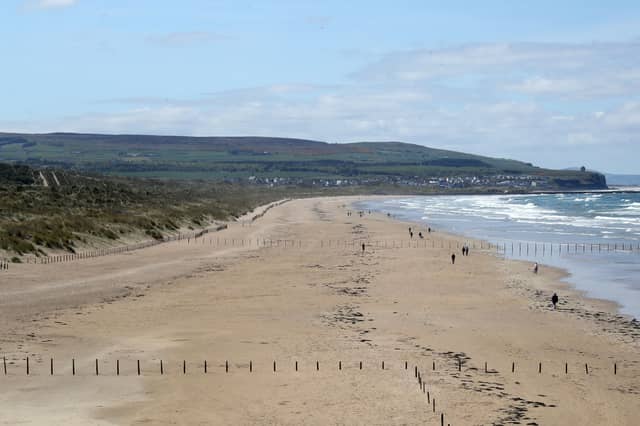

Prices increased faster in Causeway Coast and Glens over the summer months than any other district
HOUSE prices increased faster in Causeway Coast and Glens over the summer months than any other district in Northern Ireland.
And, according to the latest Ulster University survey, the borough now boasts the second highest average property price in the country.
Authors of the Northern Ireland Quarterly House Price Index say the housing market is continuing to grow, amid high levels of consumer confidence and market activity.
Nowhere more so than Causeway Coast and Glens, according to the report, where the average price of a home stood at £253,137 by the end of September.
That’s up 7.5 per cent on the corresponding figure for June when the average price was £235,379.
The only district with higher prices was Ards and North Down where a figure of £257,455 was recorded.
By contrast, Causeway Coast and Glens' neighbours in Mid and East Antrim logged figures of £185,281 while in Derry and Strabane houses sold for an average of £188,042 – the lowest and second lowest figures respectively.
Also performing well were Lisburn and Castlereagh (£252,959) and Newry Mourne and Down (£251,368) However prices are rising much faster in Causeway Coast and Glens than anywhere else.
The borough’s 7.5 per cent increase far outstripped rates of the next best performer - Antrim & Newtownabbey - which could mange price growth of just 4.7 per cent from a much lower base.
As ever, the report’s authors warn that uneven geographical variation could reflect “local market demand and supply imbalances, as well as the nature of the housing stock coming onto the housing market.”
Commenting on the findings Dr Michael McCord, Reader in valuation, investment and finance at Ulster University, and lead researcher said the housing market continues to see strong demand and price growth over the third quarter of 2024.
“Market activity across the year has remained buoyant and the reduction of new listings and ongoing lack of supply within the market will continue to help prop up house prices as we enter the final quarter of the year.”
However Dr McCord sounded a note of caution over the affect predicted mortgage rate rises may have on the property market.
Labour’s first Budget will have some market players concerned, his report states.
It suggests major lenders will be reviewing their mortgage offers and particularly rates due to worries about national debt and increased government borrowing, which could impact borrowing costs and housing market activity through the end of 2024 and into 2025.
The increase in Stamp duty Land Tax on second homeowners may impact upon market activity and pricing levels in particular regions of the province.
Other proposed tax changes by the Finance Minister at Stormont, namely, to lift the cap on the rateable value for domestic properties in 2025 will also have an impact upon housing market activity levels and pricing, if successful.
Michael Boyd, Chief Executive of Progressive Building Society, said: “With buyers gaining confidence from a more favourably borrowing environment and more positive economic outlook, it is perhaps not surprising that house prices in Northern Ireland continued their upward trajectory in the third quarter of 2024.
“Combined with the tight supply picture which has become a feature of the local market, it looks as if prices will remain supported for the rest of the year, although much will depend on the interest rate environment in the wake of what can be described as a landmark Budget by the Westminster government.”